Hatha Yoga for Beginners: Poses, Benefits, and Daily Practice
Table of Contents
- 1. Introduction
- 1.1 What Is Hatha Yoga?
- 1.2 Benefits of Hatha Yoga
- 1.3 1. Supports Flexibility
- 1.4 2. Builds Strength
- 1.5 3. Improves Balance
- 1.6 4. Encourages Relaxation
- 1.7 5. Develops Body Awareness
- 1.8 6 Hatha Yoga Poses for Beginners
- 1.9 1. Mountain Pose
- 1.10 2. Cat-Cow Pose
- 1.11 3. Downward-Facing Dog
- 1.12 4. Warrior II
- 1.13 5. Tree Pose
- 1.14 6. Child’s Pose
- 1.15 A Simple 20-Minute Hatha Yoga Routine
- 1.16 Tips for Practicing Hatha Yoga Safely
- 1.17 Hatha Yoga and Other Yoga Styles
- 1.18 Learn Hatha Yoga in Rishikesh
- 1.19 Frequently Asked Questions
- 1.20 Is Hatha yoga good for beginners?
- 1.21 How often should I practice Hatha yoga?
- 1.22 Do I need to be flexible to do Hatha yoga?
- 1.23 Can I practice Hatha yoga at home?
- 1.24 Conclusion
Introduction
Yoga is a great way to care for your body and mind. It can help you move with greater awareness, improve balance, and make time for relaxation. If you are new to yoga, Hatha yoga is a good style to explore because many classes focus on basic poses, breathing, and steady movement.
You do not need to be flexible or strong to begin. You can start with simple poses and learn step by step. The most important thing is to practice safely and listen to your body.
In this guide, you will learn what Hatha yoga is, its common benefits, and how to start a simple practice at home.
What Is Hatha Yoga?
Hatha yoga is a broad tradition of yoga that includes physical postures and breathing practices. Many modern Hatha classes use a steady pace and give students time to learn each pose.
A class may include warm-up movements, standing poses, seated stretches, breathing exercises, and relaxation. The exact style can vary from one teacher to another.
Hatha yoga can suit beginners because poses can often be adapted to different ability levels. You can use a chair, cushion, or yoga block to make movements more comfortable.
Benefits of Hatha Yoga
1. Supports Flexibility
Hatha yoga includes gentle stretches for the shoulders, hips, legs, and back. Regular practice may help improve your range of motion over time.
You do not need to reach the deepest version of a pose. Move slowly and stay within a comfortable range.
2. Builds Strength
Many Hatha poses ask you to support your body weight. Standing poses can work your legs, while other poses challenge your arms, back, and core muscles.
Start with simple versions and take breaks when needed. Strength develops gradually with consistent practice.
3. Improves Balance
Standing poses help you practice stability and body control. Mountain Pose and supported Tree Pose are useful examples for beginners.
If balance feels difficult, stand near a wall or use a stable chair for support.
4. Encourages Relaxation
Hatha yoga often includes slow movements and a final relaxation period. These parts of the practice give you time to pause and focus on your breathing.
Yoga may help you manage everyday stress as part of a balanced lifestyle.
5. Develops Body Awareness
Yoga encourages you to notice your posture, movement, and physical limits. This awareness can help you adjust poses instead of forcing your body into a position.
Over time, you may become more mindful of how you sit, stand, and move during daily activities.
6 Hatha Yoga Poses for Beginners
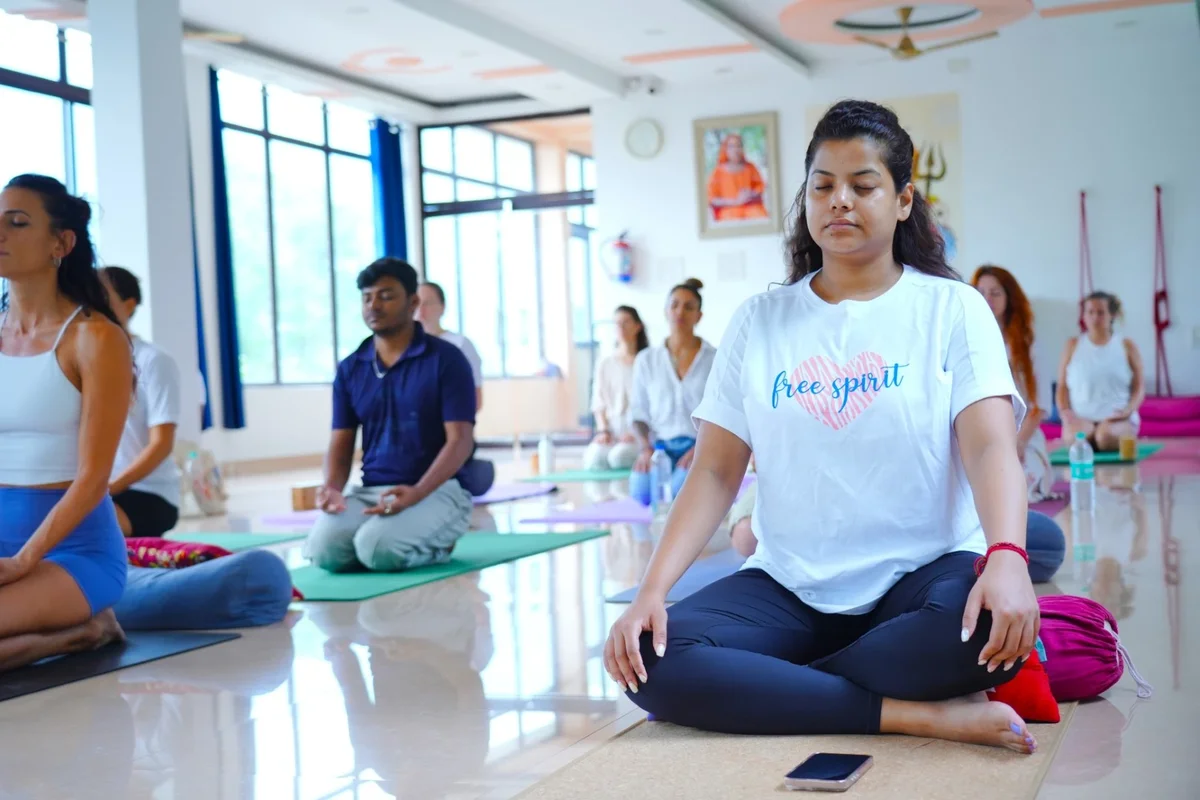
You can begin with a few basic poses. Move gently and breathe naturally throughout your practice.
1. Mountain Pose
Mountain Pose is a simple standing posture that helps you focus on alignment.
- Stand with your feet comfortably apart.
- Keep your shoulders relaxed.
- Let your arms rest beside your body.
- Look forward and breathe naturally.
Stay for five comfortable breaths. Notice how your feet feel against the floor.
2. Cat-Cow Pose
This movement gently explores spinal motion.
- Start on your hands and knees.
- Breathe in as you gently lift your chest.
- Breathe out as you round your back.
- Repeat slowly several times.
Keep the movement smooth. If kneeling hurts your knees, try a seated version with your hands on your thighs.
3. Downward-Facing Dog
This pose stretches several areas of the body and helps develop strength.
- Begin on your hands and knees.
- Place your hands firmly on the mat.
- Lift your hips upward and back.
- Bend your knees if your legs feel tight.
Do not worry about placing your heels on the floor. Focus on a comfortable position and steady breathing.
4. Warrior II
Warrior II is a standing pose that develops strength and balance.
- Stand with your feet apart.
- Turn one foot outward.
- Bend the front knee gently.
- Extend your arms to the sides.
- Keep your upper body upright.
Hold for a few breaths, then change sides. Use a shorter stance if needed.
5. Tree Pose
Tree Pose helps you practice balance and focus.
- Stand tall with your feet grounded.
- Shift your weight onto one foot.
- Place the other foot against your ankle or lower leg.
- Keep your hands at your hips or bring them together.
Avoid placing your foot directly on your knee. Use a wall for support if you feel unsteady.
6. Child’s Pose
Child’s Pose is a resting posture that can gently stretch your back and hips.
- Kneel on your mat.
- Sit back toward your heels.
- Reach your arms forward.
- Rest your forehead on a cushion if needed.
If this position feels uncomfortable, sit on a chair and relax your upper body instead.
A Simple 20-Minute Hatha Yoga Routine
A short routine can help you build confidence and develop a regular habit.
- 3 minutes: Sit comfortably and notice your breathing.
- 3 minutes: Practice gentle Cat-Cow movements.
- 3 minutes: Hold Mountain Pose and move into a gentle standing stretch.
- 4 minutes: Practice Warrior II on both sides.
- 3 minutes: Try Downward-Facing Dog or a supported alternative.
- 2 minutes: Practice Child’s Pose or another comfortable stretch.
- 2 minutes: Rest quietly and breathe naturally.
Adjust the timing to suit your needs. Beginners may prefer shorter sessions with more rest.
Tips for Practicing Hatha Yoga Safely
Good habits can help make your practice more comfortable.
Warm up first. Begin with gentle movements before trying stronger poses.
Breathe naturally. Avoid holding your breath during stretches or standing poses.
Use support. Blocks, cushions, and chairs can help you find comfortable positions.
Do not compete. Your practice should match your ability, not someone else's flexibility.
Take breaks. Rest whenever you feel tired or need time to recover.
Respect discomfort. Stop if you feel sharp pain, dizziness, or unusual symptoms.
If you have an injury or a health condition, consult a qualified health professional before starting a new exercise routine. A trained yoga teacher can help you choose suitable modifications.

Hatha Yoga and Other Yoga Styles
There are many styles of yoga, and each offers a different experience.
- Hatha yoga: Often uses a steady pace and time to learn poses.
- Vinyasa yoga: Links movements with breathing in a flowing sequence.
- Restorative yoga: Uses props to support the body in restful positions.
- Yin yoga: Includes longer-held stretches that target different areas of the body.
The names and teaching methods can vary between schools. If you are a beginner, choose a class that offers clear instructions and modifications.
Learn Hatha Yoga in Rishikesh
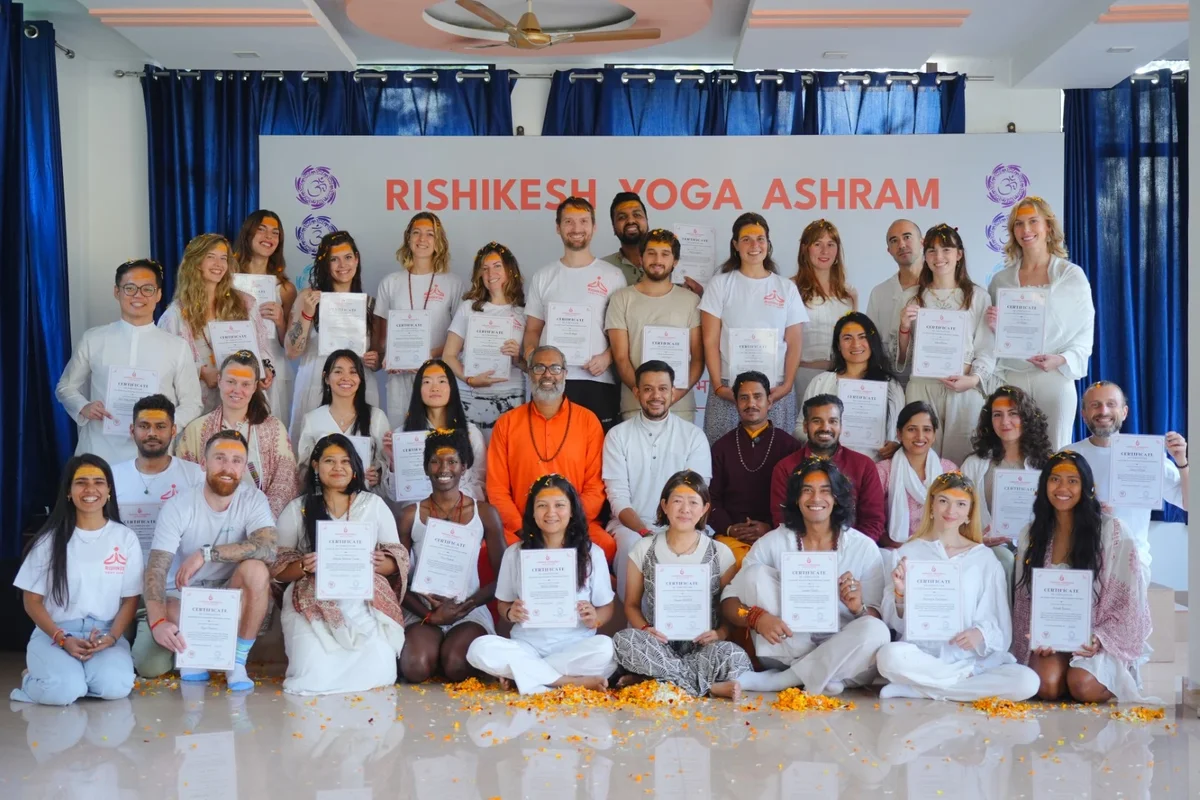
Rishikesh is known for its yoga schools and traditional yoga culture. Students visit the city to study physical practice, breathing exercises, meditation, and yogic philosophy.
If you want to develop your understanding of yoga, Yoga teacher training in rishikesh can be a starting point for exploring structured courses and learning opportunities.
A 200 hour yoga teacher training in rishikesh generally covers foundational poses, alignment, anatomy, breathing techniques, meditation, and teaching skills. Check the entry requirements to see whether the program fits your experience.
For students who have completed foundational training, a 300 hour yoga teacher training in rishikesh can offer further study of asana, pranayama, meditation, and teaching methods.
Before enrolling, review the curriculum, schedule, instructor experience, and prerequisites. Choose a program that matches your learning goals.
Frequently Asked Questions
Is Hatha yoga good for beginners?
Many Hatha classes are suitable for beginners because they allow time to learn poses and adjust movements. Ask the teacher about the class level before joining.
How often should I practice Hatha yoga?
You can begin with two or three short sessions each week. Increase the frequency gradually if your body feels comfortable.
Do I need to be flexible to do Hatha yoga?
No. Flexibility is not a requirement. Start with simple movements and use support when needed.
Can I practice Hatha yoga at home?
Yes. You can begin with basic poses in a clear, safe space. Reliable instructions or guidance from a qualified teacher can help you learn correct technique.
Conclusion
Hatha yoga offers a steady way to explore movement, breathing, and relaxation. You can start with simple poses and build your practice as your confidence grows.
Focus on comfortable movement instead of perfect shapes. Practice regularly, respect your limits, and give yourself time to learn.
With patience, Hatha yoga can become a useful part of your daily routine and support a more balanced lifestyle.